Full blown feast of b2 panggang. Generous portions especially with the sambal. Place been around for several years now. Will continue to revisit.
Overview
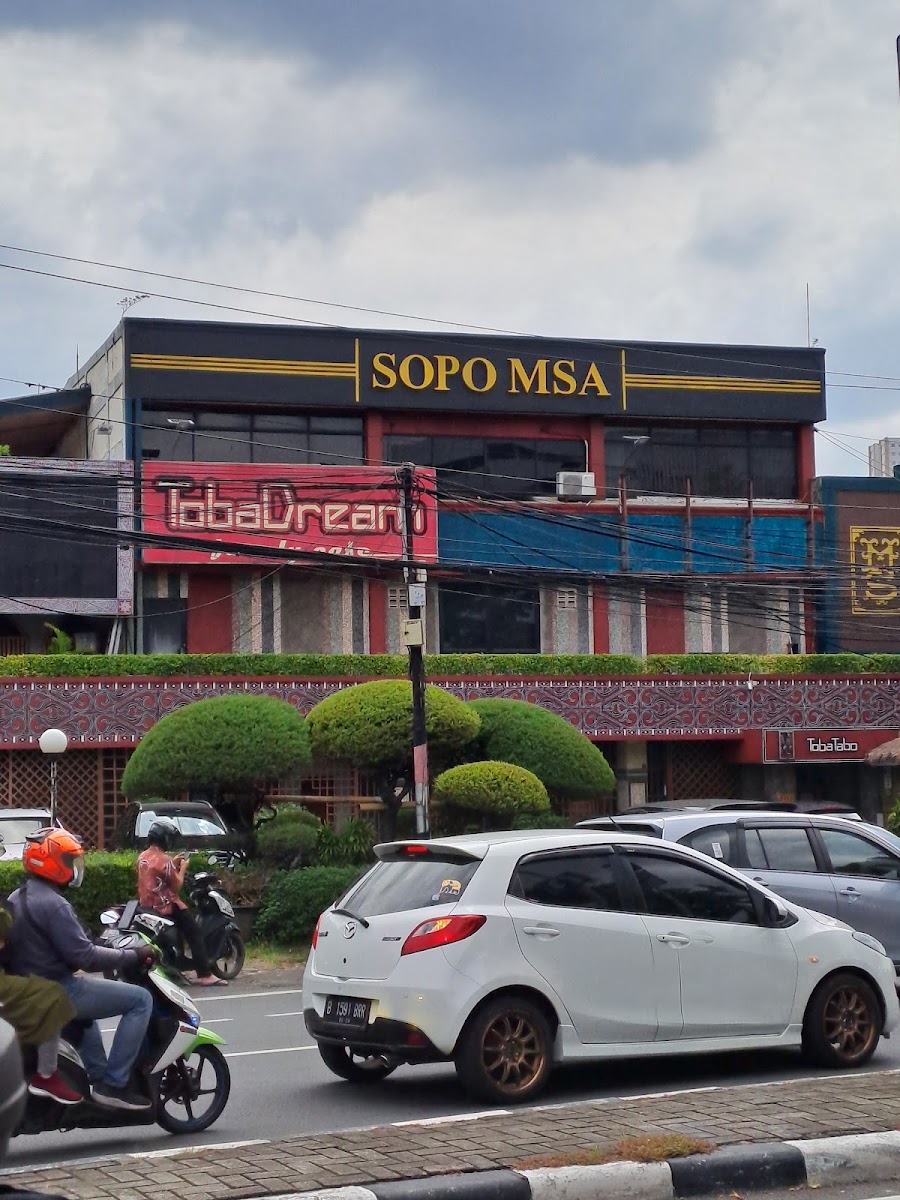
If you’re craving bold North Sumatran flavors in the heart of South Jakarta, Toba Tabo Lapo Batak is one of those spots you’ll want to bookmark immediately. Tucked inside Gedung SOPO MSA, Lt. Dasar, Jl. Dr. Saharjo No.90 1, RT.1/RW.7, Menteng Atas, Kecamatan Setiabudi, Kota Jakarta Selatan, Daerah Khusus Ibukota Jakarta 12960, Indonesia, this Batak eatery has quietly built a loyal following among office workers, families, and anyone who misses authentic kampung-style cooking.
The first time I stopped by was during a weekday lunch rush. The dining area was simple but lively-long tables, the comforting aroma of grilled pork, and the unmistakable scent of andaliman, the signature Batak pepper that gives dishes that slightly numbing, citrusy kick. If you’ve ever studied Indonesian regional cuisines, you’ll know that Batak food stands out for its bold seasoning, heavy use of herbs, and unapologetically rich flavors. According to culinary research published by the Indonesian Ministry of Tourism, North Sumatran cuisine is among the most distinctive regional food traditions in the country, largely due to its spice combinations and traditional cooking techniques.
The menu here doesn’t try to be overly modern or fusion-driven. Instead, it focuses on classics like grilled pork (saksang), arsik fish, and hearty soups. I ordered saksang and panggang with a side of sambal and fresh vegetables. What impressed me most was the preparation process. The pork was grilled first to lock in the juices, then simmered in a thick spice blend made with andaliman, turmeric, lemongrass, and garlic. You can taste the layering-smoky, spicy, slightly tangy. It’s not just heat for the sake of heat; it’s structured flavor.
One thing that deserves special mention is their approach to arsik, the traditional Batak fish dish. In many places, arsik can turn overly salty or dry. Here, the fish was cooked slowly with torch ginger flower and local spices until tender but still moist. This slow-cooking method reflects traditional Batak techniques, where patience is key to allowing the spices to penetrate deeply into the protein. It’s a method often discussed by Indonesian culinary experts like William Wongso, who frequently emphasizes preserving authentic regional cooking processes rather than cutting corners for speed.
Reviews from regular customers often highlight the generous portions and the consistency of flavor. After a few visits, I can confirm that consistency is not an accident. From what I observed, the kitchen follows a fairly standardized preparation routine-pre-measured spice blends, controlled grilling times, and batch cooking for certain stews during peak hours. In the food industry, maintaining consistency is critical; according to data from the National Restaurant Association, repeat customers are strongly influenced by consistent taste and portion size. Toba Tabo Lapo Batak seems to understand that well.
The location itself is convenient, especially for those working around Setiabudi and Menteng Atas. Being on the ground floor of Gedung SOPO MSA makes it accessible, and there’s a steady lunchtime crowd from nearby offices. Despite the busy periods, service remains efficient. Orders are taken quickly, and dishes arrive without long waits, which is crucial for the office lunch crowd.
Another highlight is the sambal selection. Batak cuisine isn’t complete without sambal, and here you’ll find varieties that complement different dishes. The sambal andaliman pairs beautifully with grilled meats, enhancing rather than overpowering them. For newcomers unfamiliar with Batak food, the staff are generally open to explaining what each dish contains, which helps if you’re not used to the stronger spices or certain traditional ingredients.
It’s worth noting that Batak cuisine often features pork prominently, which may not suit all dietary preferences. While there are fish and vegetable options, the menu leans heavily toward meat-based dishes. If you have specific dietary restrictions, it’s best to ask the staff directly about ingredients and preparation methods.
Overall, what keeps drawing people back is the authenticity. This isn’t a polished fine-dining interpretation; it’s honest, hearty Batak cooking served in a straightforward diner-style setting. For anyone serious about exploring Indonesia’s regional food culture, especially the bold flavors of North Sumatra, this place offers a grounded, reliable experience that feels both personal and proudly traditional.
Good to know
Service options
✓ No-contact delivery ✓ Delivery ✓ Takeaway ✓ Dine-inHighlights
✓ Great beer selection ✓ Great coffee ✓ Great dessert ✓ Great tea selectionPopular for
✓ Lunch ✓ Dinner ✓ Solo diningAccessibility
✓ Wheelchair-accessible seatingOfferings
✓ Alcohol ✓ Beer ✓ Coffee ✓ Quick bite ✓ SpiritsDining options
✓ Brunch ✓ Lunch ✓ Dinner ✓ Catering ✓ Dessert ✓ Table serviceAmenities
✓ Bar on site ✓ ToiletAtmosphere
✓ Casual ✓ Cosy ✓ TrendyCrowd
✓ Family friendly ✓ Groups ✓ TouristsPlanning
✓ Brunch reservations recommended ✓ Lunch reservations recommended ✓ Dinner reservations recommended ✓ Accepts reservationsPayments
✓ Credit cards ✓ Debit cards ✓ NFC mobile payments ✓ Credit cardsChildren
✓ Good for kidsParking
✓ Free of charge street parking ✓ Paid parking lot ✓ ParkingPhotos
1 / 4
Location
Reviews
- No ratings yet 1059 reviews
Great food, although a little bit pricey. I took an American there, and he loved it. Unfortunately some of the menus were not available, such as Naniura and Nila Nombur. But susu horbo is a menu that you can't miss.
Went here with some friends and I actually enjoy everything here. The pork / BPK was the best, if only the meat was a bit juicy it would be tastier However I really enjoy eating here and might come again some other time
This is the place for pork lover only. They have a big place and friendly staff. But you need to check the bill before you paid. Sometimes the bill is different with your order. For food is good especially GORENG. They have live music too. Recommended place.
Aithentic Toba food..! It is a must for you to try..! Recommended.!
I choose nila nombur, gold fish arsik and lappet which hard to find in jakarta.
IMO the best lapo/batak pork dishes in Jakarta. They have both the roasted and fried one. The tenderness is perfect.